



As a journalist dedicated to shedding light on complex financial matters, I’ve seen firsthand the distress and frustration that comes with navigating money troubles, especially when your credit score isn’t cooperating. The desire for a quick fix, a lifeline when banks say no, often leads people down paths promising what sounds too good to be true: “Bad Credit Personal Loans Guaranteed Approval.” It’s a phrase that conjures images of immediate relief, a magic key to unlocking funds regardless of past financial missteps. But how much truth lies behind this alluring promise? And what do you truly need to know before you sign on the dotted line?
In this cornerstone guide, we’ll strip away the jargon and marketing hype to provide you with a clear, comprehensive understanding of what “guaranteed approval” really means in the context of personal loans for those with less-than-perfect credit. We’ll explore your genuine options, equip you with the knowledge to make informed decisions, and help you distinguish between legitimate opportunities and potential pitfalls. My goal is to empower you, the borrower, to approach your financial needs with confidence and clarity, ensuring you find solutions that genuinely help, rather than hinder, your journey towards financial stability.
Deconstructing “Guaranteed Approval”: What Does It Really Mean?
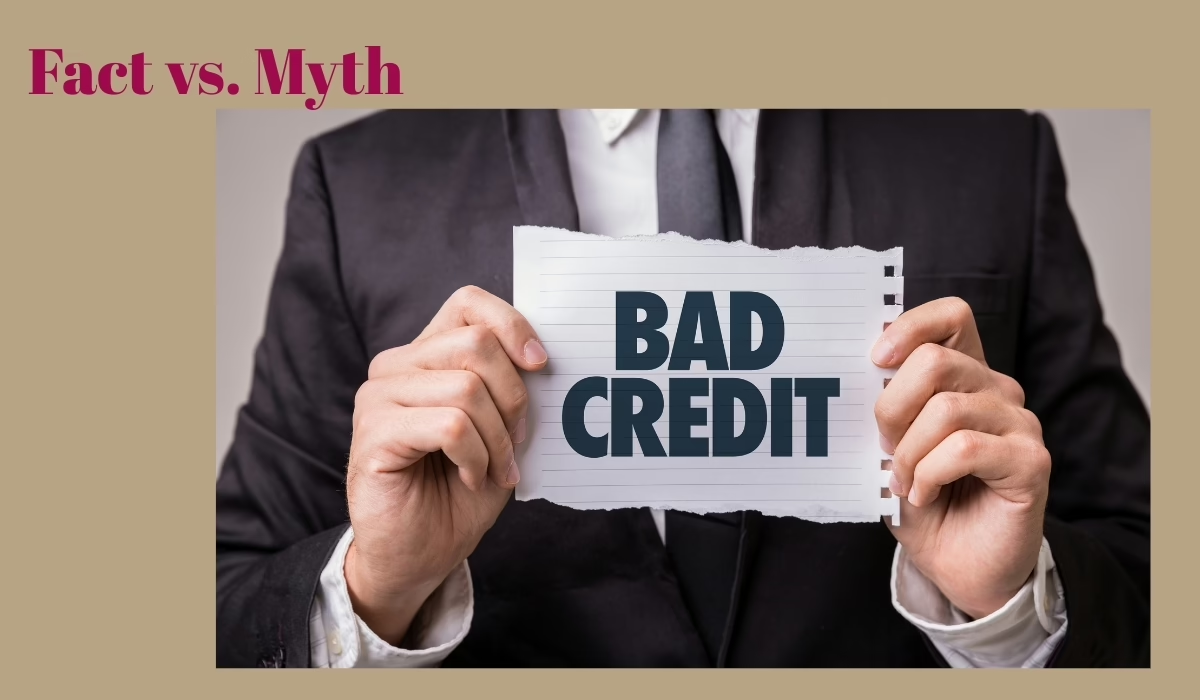
The phrase “Bad Credit Personal Loans Guaranteed Approval” is, more often than not, a marketing tool designed to attract desperate borrowers. In the ethical lending world, true “guaranteed approval” simply doesn’t exist. Reputable lenders, by law and by sound financial practice, must conduct some form of assessment to determine a borrower’s ability to repay a loan. This protects both the lender from undue risk and the borrower from taking on debt they cannot afford, which could lead to further financial hardship.
So, when you see this term, what are lenders implying? They are typically referring to one of a few scenarios:
- High Approval Rates: Some lenders specialize in working with bad credit borrowers and have structured their underwriting processes to approve a higher percentage of applicants compared to traditional banks. They might consider factors beyond your credit score, such as your income stability, employment history, and existing debts.
- No Hard Credit Check (Initially): Some lenders might offer “pre-approval” or soft credit checks that don’t impact your credit score. This gives you an idea of your eligibility without committing. However, a full application will almost always involve a hard credit check before final approval.
- Secured Loans: If a loan is secured by collateral (like a car title or savings account), the risk to the lender is significantly reduced, making approval more likely. The collateral acts as the “guarantee,” not your creditworthiness alone.
- Looser Eligibility Criteria: These lenders might have lower minimum credit score requirements or be more flexible with past financial issues. However, this often comes at a cost – typically higher interest rates and fees to offset the increased risk they are taking.
It’s crucial to understand that no matter how appealing the offer, a genuine lender will always perform some due diligence. If a lender promises 100% “Bad Credit Personal Loans Guaranteed Approval” without asking any questions about your financial situation, it’s a significant red flag that could indicate a predatory lender or a scam. Always approach such claims with a healthy dose of skepticism.
Understanding Your Options: Types of Bad Credit Personal Loans
When your credit score is a hurdle, knowing the landscape of available loan types becomes essential. While traditional banks might be out of reach, several options cater specifically to individuals seeking ‘Bad Credit Personal Loans Guaranteed Approval’ alternatives or loans with a higher likelihood of approval:
- Secured Personal Loans: These loans require collateral, such as a vehicle, savings account, or even real estate. Because the lender has a tangible asset to recover if you default, they are more willing to lend to individuals with poor credit. Interest rates are generally lower than unsecured bad credit loans, but the risk is losing your collateral if you can’t repay.
- Unsecured Personal Loans from Online Lenders: Many online lenders specialize in bad credit loans. They often have more flexible underwriting criteria, using alternative data points beyond traditional credit scores, such as banking history, employment stability, and income-to-debt ratios. While convenient, these loans typically come with higher interest rates to compensate for the increased risk taken by the lender.
- Payday Alternative Loans (PALs) from Credit Unions: Federal credit unions offer PALs as a more affordable alternative to traditional payday loans. These loans have caps on application fees and interest rates (currently 28% APR maximum) and typically range from $200 to $2,000. Membership in the credit union is usually required, and you might need to have been a member for a certain period.
- Co-signed Loans: If you can find someone with good credit to co-sign your loan, their creditworthiness can significantly improve your chances of approval and potentially secure a lower interest rate. However, your co-signer becomes equally responsible for the debt, and their credit will be negatively impacted if you fail to make payments.
- Home Equity Loans or HELOCs: If you own a home, you might be able to tap into your home equity. While these offer lower interest rates, they use your home as collateral, meaning you risk foreclosure if you default.
Each option comes with its own set of pros and cons regarding approval chances, interest rates, and repayment terms. Carefully evaluate which type best suits your financial situation and risk tolerance before proceeding.
Navigating the Application Process: Tips for Success
Even when seeking ‘Bad Credit Personal Loans Guaranteed Approval’ alternatives, a strategic approach to the application process can significantly increase your chances of success and help you secure the best possible terms. It’s not just about finding a lender; it’s about presenting yourself as a responsible borrower despite your credit history.
Here are crucial tips:
- Review Your Credit Report: Before applying, get a free copy of your credit report from Experian, Equifax, and TransUnion. Look for errors that could be dragging down your score and dispute them. Understanding your credit standing helps you target appropriate lenders.
- Gather All Necessary Documentation: Lenders will need to verify your identity, income, and residence. Have documents ready, such as government-issued ID, pay stubs, bank statements, tax returns, and utility bills. Being prepared makes the application process smoother and faster.
- Understand Your Budget and Affordability: Before applying for any loan, critically assess how much you can realistically afford to borrow and repay each month. Use a personal loan calculator to estimate monthly payments based on different loan amounts, interest rates, and terms. Don’t borrow more than you need or can comfortably repay.
- Compare Lenders and Offers: Don’t jump at the first offer. Explore multiple lenders, including online platforms, credit unions, and even local community banks that might have more lenient criteria for local residents. Pay close attention to interest rates (APR), fees (origination, late payment), repayment terms, and customer reviews.
- Improve Your Credit Score (Even Slightly): While applying for a bad credit loan, take steps to incrementally improve your credit score. Paying down other debts, making all payments on time, and avoiding new credit applications can help. Even a small improvement can make a difference in interest rates.
- Beware of Scams: Be highly suspicious of any lender that asks for an upfront fee, guarantees approval without any credit check, pressures you to act immediately, or asks for your bank account information before approval. Legitimate lenders won’t guarantee approval and will never ask for payment before you receive the loan funds. For more information on spotting loan scams, you can refer to resources from reputable financial news outlets such as Forbes Advisor’s guide on personal loan scams.
By diligently following these steps, you enhance your appeal to lenders and protect yourself from predatory practices, leading to a more favorable borrowing experience.
The Pros and Cons of ‘Bad Credit Personal Loans Guaranteed Approval’ Alternatives
While true “Bad Credit Personal Loans Guaranteed Approval” is a myth, the alternatives designed for those with low credit scores present both opportunities and risks. Understanding these can help you make a decision that supports your financial future rather than undermining it.
Pros:
- Access to Funds: The most significant advantage is gaining access to much-needed capital for emergencies, debt consolidation, or other essential expenses when traditional lending avenues are closed off.
- Opportunity for Credit Improvement: If managed responsibly with timely payments, a bad credit personal loan can be a powerful tool for rebuilding your credit score. Consistent positive payment history is a primary factor in credit scoring models.
- Consolidate High-Interest Debt: For some, a personal loan with a lower interest rate than existing credit card debt or other high-interest loans can be used to consolidate, simplifying payments and potentially saving money over time.
- Fixed Payments and Predictable Budgeting: Unlike credit cards with revolving balances, personal loans typically have fixed monthly payments and a defined repayment schedule, making budgeting easier and clearer.
Cons:
- High Interest Rates: Lenders offering loans to bad credit borrowers take on greater risk, which they mitigate by charging significantly higher interest rates (APR) compared to loans for those with excellent credit. This can make the loan much more expensive in the long run.
- Potential for Debt Cycle: If you can’t afford the high monthly payments or use the loan irresponsibly, you risk falling into a deeper cycle of debt, potentially leading to default, collection actions, and further damage to your credit score.
- Fees: Beyond interest, bad credit loans can come with various fees, such as origination fees (deducted from the loan amount), late payment fees, and prepayment penalties.
- Secured Loan Risks: If you opt for a secured loan, you risk losing your collateral if you fail to make payments, which can have severe consequences, such as losing your car or even your home.
It’s important to weigh these factors carefully and consider alternatives like negotiating with creditors, seeking credit counseling, or exploring community assistance programs before committing to a high-interest bad credit loan. Sometimes, the best loan is the one you don’t take, or at least the one you fully understand before committing.
Reputable Lenders and Platforms for Bad Credit Borrowers
When searching for ‘Bad Credit Personal Loans Guaranteed Approval’ alternatives, identifying reputable lenders is paramount to avoid scams and predatory practices. While no lender can truly guarantee approval, some platforms and institutions are genuinely designed to assist borrowers with less-than-perfect credit. The key is to look for transparency, fair practices, and positive customer feedback.
Here’s what to look for and where to consider looking:
- Online Loan Marketplaces: These platforms don’t lend money directly but connect you with a network of lenders. You fill out one application, and the platform matches you with potential lenders who might be willing to work with your credit score. This allows for quick comparison of offers without multiple hard credit inquiries. Always check the marketplace’s reputation and ensure it protects your personal data.
- Credit Unions: As mentioned earlier, federal credit unions offer Payday Alternative Loans (PALs) which are a fantastic option for members. They are non-profit institutions focused on serving their members, often offering more favorable rates and terms than for-profit lenders, even to those with lower credit scores. Building a relationship with a local credit union can be beneficial in the long run.
- Lenders Specializing in Bad Credit: Many online lenders specifically target the subprime market. While their rates will be higher, some are legitimate and transparent. Look for lenders with clear fee structures, readily available terms and conditions, and positive reviews on independent consumer review sites. Avoid any lender that makes unrealistic promises or charges upfront fees.
- Co-signed Loan Providers: Banks and credit unions are more likely to offer co-signed loans. If you have a trusted friend or family member with good credit willing to co-sign, this can open doors to more traditional lending institutions with better rates.
- Secured Loan Providers: Lenders who offer secured personal loans are also an option. These can include title loan companies (use your car as collateral) or pawn shops (use valuables as collateral). While these offer high approval rates, they also come with significant risks, including very high interest rates and the potential loss of your asset. Proceed with extreme caution.
Always do your due diligence. Check if the lender is licensed in your state. Read the fine print of any loan offer thoroughly, understanding the APR, total repayment amount, and all associated fees. Don’t be afraid to ask questions. A reputable lender will be transparent and willing to explain everything. For further research on choosing the right personal loan, you might find this article insightful: The Wall Street Journal’s guide on how to choose a personal loan.
FAQ
Can I really get a loan with “guaranteed approval” if I have terrible credit?
While the term “guaranteed approval” is often used in marketing for ‘Bad Credit Personal Loans Guaranteed Approval’, true 100% guaranteed approval for a loan is a myth in legitimate lending. Reputable lenders always conduct some form of assessment to determine your ability to repay. What lenders usually mean by “guaranteed approval” is that they have a very high approval rate for bad credit borrowers, or they offer secured loans where collateral reduces their risk, making approval more likely. It’s crucial to understand that even these lenders will look at factors like your income and debt-to-income ratio.
What’s the fastest way to get a bad credit personal loan?
The fastest way to get a bad credit personal loan is typically through online lenders or loan marketplaces that specialize in serving borrowers with lower credit scores. These platforms often have streamlined application processes, quick approval decisions (sometimes within minutes), and can deposit funds into your account within one to two business days. However, speed should not override due diligence. Always compare offers and ensure the lender is reputable, even when you’re in a hurry.
Will taking out a bad credit loan improve my credit score?
Yes, taking out a bad credit personal loan can indeed improve your credit score, but only if you manage it responsibly. The key is making all your payments on time, every time. Payment history is the most significant factor in your credit score. By consistently making timely payments, you demonstrate creditworthiness to credit bureaus, which can gradually boost your score over the loan term. Conversely, missing payments will further damage your credit, so it’s vital to only take on a loan amount and payment schedule you are confident you can afford.
YOU CAN ALSO READ How Coinbase Can Help You Make, Save Money with Crypto